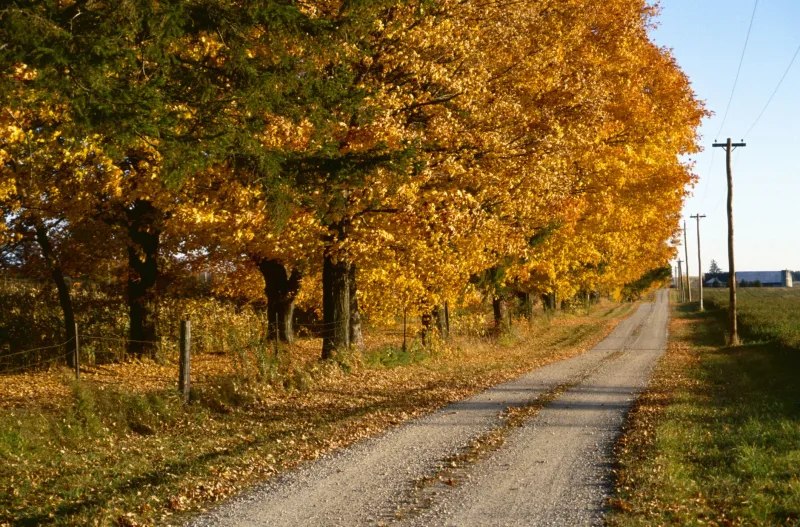
What's in a Name? The Surprising Power of Your Street Address on Home Value and Happiness
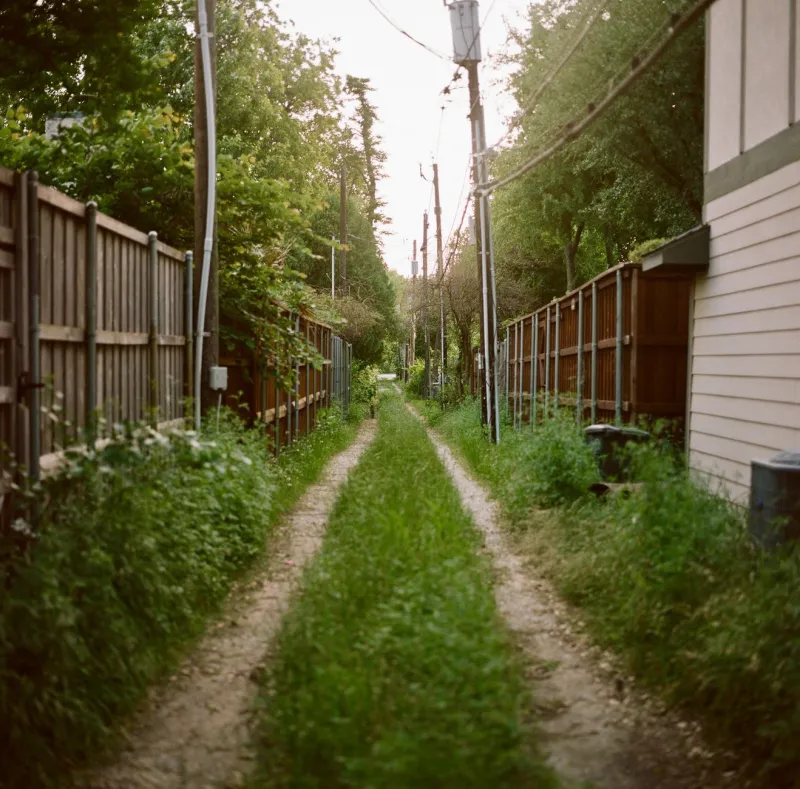
When prospective buyers first hear an address, something subtle but significant happens before they ever schedule a showing. A name forms in the mind. An image follows. And somewhere in the limbic system — that ancient, emotional center of the brain — a judgment is quietly rendered. Is this a place I could belong?
At 18 Hicks Lane, we understand that an address is never merely a postal convenience. It is, in many ways, the opening sentence of a home's story. And like any good opening sentence, it either draws you in or it doesn't.
The Science Behind Street Name Perception
Research in environmental psychology has long suggested that names carry cognitive weight. A 2015 study published in the Journal of Environmental Psychology found that street names evoking natural imagery — words like "lane," "meadow," "creek," or "hollow" — consistently generated warmer emotional responses among survey participants than generic numeric or grid-based designations. Respondents associated such names with safety, community, and permanence.
Dr. Susan Whitfield, a behavioral economist who has consulted with residential developers across the Northeast and Mid-Atlantic, frames it plainly: "Buyers are not purely rational actors. When someone reads an address that includes the word 'lane,' they are already constructing a mental landscape — one that tends to be quieter, greener, and more personal than a numbered boulevard or a corporate-sounding drive."
This isn't mere sentiment. The data backs it up. A 2021 analysis by real estate analytics firm HouseCanary found that properties on roads designated as "lane" or "way" sold, on average, 4.2 percent faster than comparable homes on streets with generic suffixes like "road" or "street" in the same zip codes. In competitive suburban markets, that difference in days-on-market can translate directly into negotiating leverage — and final sale price.
Identity, Belonging, and the Lane Effect
Beyond transactional value, there is something deeper at work. Sociologists who study place attachment — the emotional bond between people and their physical environments — consistently point to address identity as a meaningful contributor to long-term residential satisfaction.
Consider what it means to tell someone where you live. "I'm on Hicks Lane" carries a different resonance than "I'm on Route 9" or "I'm in Building C." The former invites a conversation. It suggests a story. It implies that the place has a character, a history, perhaps even a personality.
This is not accidental. Many of America's most beloved residential addresses have achieved near-mythic status precisely because their names evoke something beyond geography. Think of the countless "Elm Streets" and "Maple Avenues" that have become synonymous with idealized American domesticity in film and literature. The name, over time, becomes inseparable from the feeling.
In newer developments, savvy planners have taken note. Landscape architects and community designers increasingly advocate for street naming conventions that draw from local history, natural features, or regional heritage — not merely for aesthetic reasons, but because research consistently demonstrates that residents in named-lane communities report higher levels of neighborhood pride and social cohesion.
Case Study: How a Simple Address Transformed a Neighborhood's Fortunes
In Chester County, Pennsylvania, a semi-rural township that experienced significant residential growth during the 2010s, planners faced a choice: assign a new residential road a sequential number within an existing grid, or name it after the historic farm family whose land it bisected. They chose the latter.
Within three years of the development's completion, homes along the newly designated lane commanded a consistent premium of six to eight percent over comparable properties in adjacent developments with numeric road designations. Residents interviewed by the local planning commission cited the name itself as a source of pride. Several mentioned it unprompted when describing what they loved about living there.
"It sounds small," admitted one longtime resident, "but when you give your address and someone says, 'Oh, that's a lovely name' — it matters. It makes you feel like you live somewhere, not just at a coordinate."
What Buyers Should Consider When Evaluating an Address
For serious buyers, the psychology of address is not something to dismiss as superficial. It is, in fact, a practical due-diligence consideration. Here is what experienced buyers and real estate professionals recommend examining:
Historical resonance. Does the street name reflect something authentic about the land, the community, or the region? Addresses with genuine historical grounding tend to retain their appeal — and their premium — over time.
Phonetic appeal. Names that are easy to pronounce, remember, and share tend to facilitate stronger word-of-mouth and community identity. This matters when you eventually sell.
Designation type. "Lane" and "court" designations often signal lower traffic volume and a more intimate residential character. These are not arbitrary associations — they frequently reflect the actual design and scale of the road.
Neighborhood cohesion. Research suggests that residents in communities with distinctive, named addresses tend to form stronger social ties. If long-term community connection is a priority, the address is a meaningful data point.
The Long Game: Address as Legacy
For those purchasing a home not merely as a financial instrument but as a place to build a life, the address takes on yet another dimension: legacy. The address you claim becomes, over years and decades, a piece of your personal history. It is where packages arrive, where holiday cards are addressed, where children learn to write their own location in the world.
At 18 Hicks Lane, this perspective shapes everything about how we think about the properties we represent. A lane address is not a marketing flourish. It is an invitation — to a particular kind of life, in a particular kind of place, with a particular kind of character that no floor plan or square footage figure can fully capture.
The name on the sign at the end of the driveway matters. It always has. And for buyers willing to pay attention to what that name quietly communicates, it can be one of the most telling details in the entire home search.
Your address is, in the end, the first thing you tell the world about where you belong. Choose it thoughtfully.