Once a Lane Buyer, Always a Lane Buyer: The Resale Loyalty That Defines Quiet Address Markets
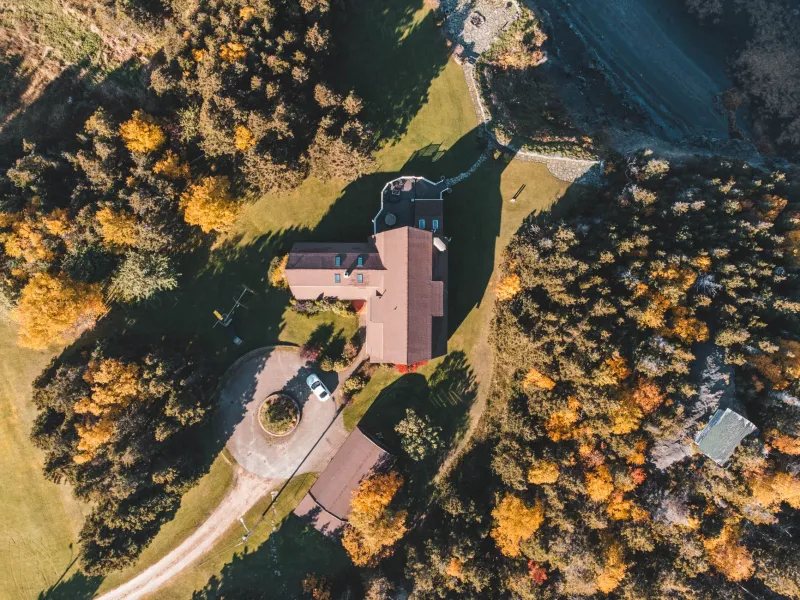
There is a particular kind of buyer who enters the real estate market already knowing what they want. They have lived on a lane before—perhaps on a property much like 18 Hicks Lane—and they are not browsing. They are returning. This pattern of repeat acquisition, well documented by real estate professionals who specialize in rural and semi-rural residential markets, represents one of the most compelling and underappreciated dynamics in American property sales. It is a loyalty born not from marketing, but from lived experience.
The Emotional Architecture of a Lane Address
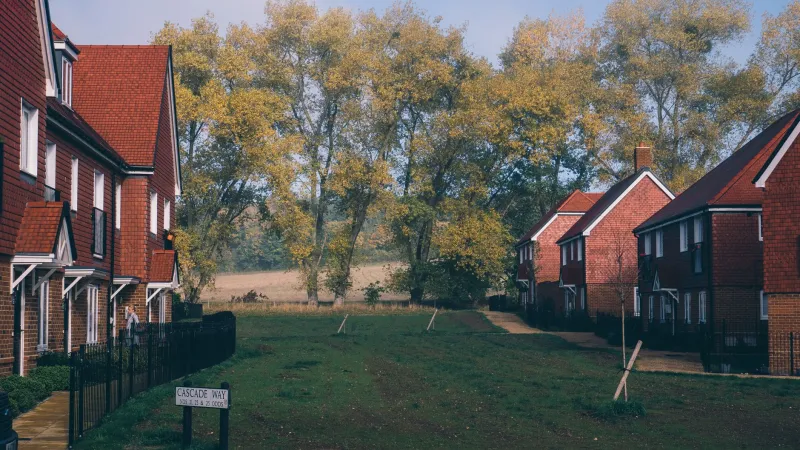
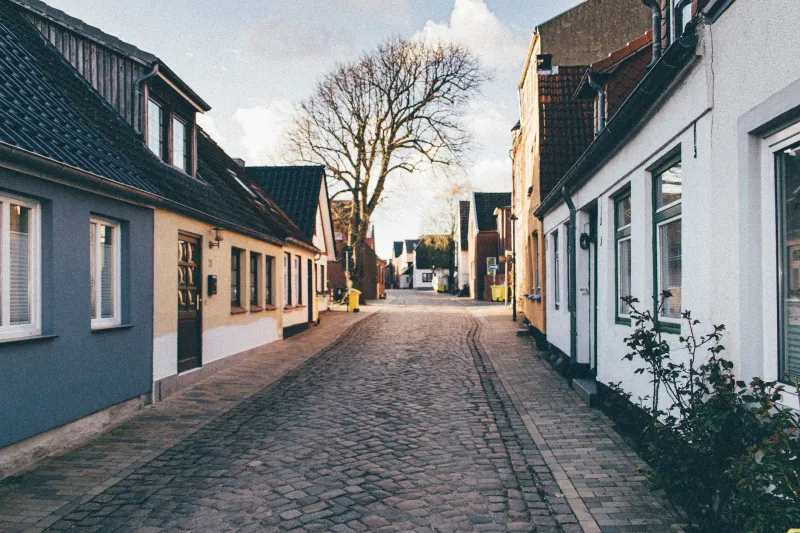
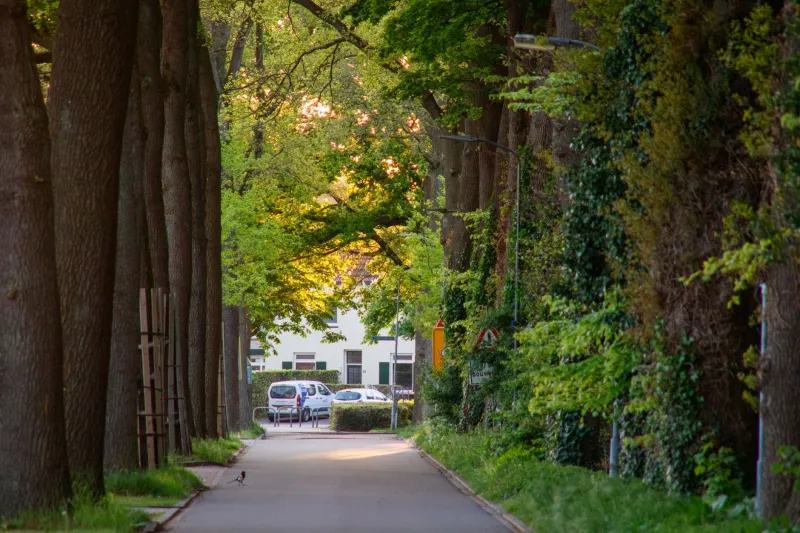
To understand why buyers return to lane properties, one must first understand what they are returning to. A lane address offers something that no floor plan or listing description can fully capture: a sensory and social environment that reshapes daily life. The absence of through-traffic. The particular quality of morning light when no commercial signage interrupts the tree line. The sense of arrival that a private or semi-private lane imparts, distinct from pulling into a subdivision or parking along a busy arterial road.
Behavioral economists refer to this phenomenon as "place attachment"—the psychological bond that forms between an individual and a specific residential environment. Research consistently demonstrates that place attachment is among the strongest predictors of housing satisfaction, and that satisfaction, in turn, is a reliable driver of repurchase behavior. Buyers who have experienced the quietude of a lane address do not simply prefer it in the abstract. They seek it out with intention the next time they enter the market.
This emotional architecture translates directly into market mechanics. When a property at an address like 18 Hicks Lane lists for sale, it does not compete for attention solely among first-time rural buyers or those relocating from urban centers. It also competes for the loyalty of an existing cohort—previous lane residents who know precisely what the address offers and require little persuasion.
What the Data Reveals About Days-on-Market
One of the most telling metrics in any property analysis is days-on-market (DOM)—the number of days a listing remains active before a purchase agreement is executed. Lane properties, particularly those in well-maintained corridors with established residential character, consistently outperform comparable suburban listings on this measure.
The reason is structural. A lane property draws from two distinct buyer pools simultaneously: those discovering the lifestyle for the first time and those returning to it. This dual demand compresses the discovery-to-offer timeline in ways that single-audience properties cannot replicate. When a qualified buyer already understands the value proposition of a quiet address, the due diligence period shortens considerably. There are fewer objections to overcome, fewer compromises to negotiate around, and a significantly higher likelihood that the buyer's emotional and financial readiness align at the moment of listing.
Real estate agents who work frequently with rural and lane-adjacent properties report that pre-market interest—buyers who contact agents before a property is formally listed—is disproportionately high in this segment. Many lane properties sell within days of listing, and a meaningful percentage change hands before the listing ever reaches a public portal. That kind of velocity is not accidental. It reflects an informed, motivated buyer base that has been cultivating its preferences over years.
Premium Pricing and the Loyalty Premium
Beyond speed of sale, the repeat-buyer dynamic exerts upward pressure on pricing in ways that deserve careful examination. When multiple qualified buyers compete for a lane property—and competition is common precisely because the supply of genuine lane addresses is inherently limited—sellers benefit from a negotiating environment that favors their position.
This is the loyalty premium at work. Buyers who have previously owned lane properties understand that comparable inventory is scarce. Unlike a buyer who can evaluate a given house against dozens of nearly identical listings in a large subdivision, a lane buyer operates in a market defined by genuine scarcity. Each lane property is, in meaningful respects, singular. The combination of address character, surrounding landscape, traffic patterns, and community scale cannot be replicated at another address. That uniqueness supports pricing that persists even when broader market conditions soften.
During periods of economic uncertainty—rising interest rates, tightening credit, or declining consumer confidence—lane properties have historically demonstrated greater price stability than urban condominiums or large-subdivision homes. The recession-resistant character of these addresses is not coincidental. It flows directly from the same loyalty that drives repeat buying: when buyers are selective, they select what they know and trust.
Buyer Satisfaction Scores and the Virtuous Cycle
Industry surveys examining homeowner satisfaction by property type consistently place rural and semi-rural lane properties at or near the top of their respective categories. Owners of lane properties report higher satisfaction with their immediate environment, lower noise-related stress, and greater confidence in the long-term value of their investment than owners of urban or dense-suburban properties.
These satisfaction scores matter beyond the individual household. Satisfied owners maintain their properties with greater care and consistency. They invest in landscaping, structural improvements, and aesthetic enhancements that compound the value of the address over time. A well-maintained lane—where each property reflects the pride of ownership of its residents—signals to prospective buyers that the address itself is worth protecting. This creates a virtuous cycle: satisfaction drives maintenance, maintenance drives desirability, and desirability drives the premium pricing and compressed DOM that characterize the best lane property markets.
At an address like 18 Hicks Lane, this cycle is visible in the texture of the neighborhood itself. Properties that have been thoughtfully cared for establish a standard that new buyers aspire to uphold, and that standard becomes part of the address's identity in the market.
What This Means for Today's Buyer
For a buyer currently evaluating a lane property, the dynamics described above carry practical implications. Entering this market with hesitation—waiting for prices to soften, delaying a decision in hopes of a better opportunity—carries real risk. The same forces that make lane properties attractive to repeat buyers make them unlikely to remain available for long. A property that generates pre-market interest and draws from a loyal buyer pool will not wait.
Conversely, for a buyer who acts with appropriate decisiveness, the long-term outlook is favorable. Lane properties purchased at current market values tend to appreciate steadily, resist downward pressure during corrections, and sell efficiently when the time comes—often to another buyer who, like you, already knows exactly what they are looking for.
The lane does not need to advertise itself. Its residents do that work simply by choosing to return.