Beyond the Bylaws: How Lane Communities Thrive Without Homeowner Associations
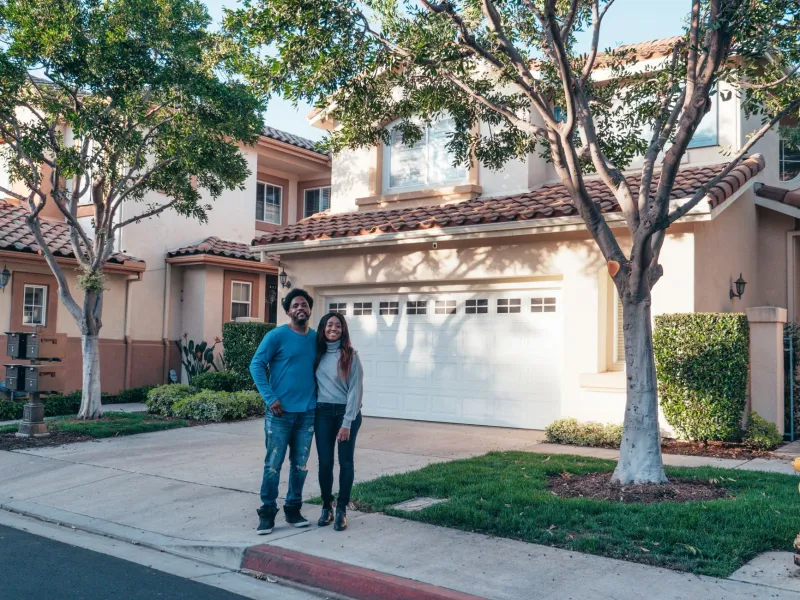
The homeowner association is, in many respects, a product of a particular era in American residential development—one shaped by the rapid suburbanization of the postwar decades, the proliferation of planned communities, and a collective anxiety about maintaining property values through enforced uniformity. By the mid-2000s, the Community Associations Institute estimated that more than 60 million Americans lived under some form of HOA governance. Today, that number exceeds 74 million.
And yet, a meaningful and growing segment of the homebuying public is actively seeking properties that fall outside this system. Lane addresses, particularly those in rural and semi-rural settings, represent one of the most compelling alternatives available—not because they offer lawlessness or indifference to community standards, but because they tend to cultivate something the HOA model frequently cannot: genuine, voluntary, neighbor-to-neighbor solidarity.
What HOA-Free Actually Means
It is worth dispensing with a persistent misconception at the outset. The absence of a homeowner association does not mean the absence of rules. Zoning ordinances, county land-use regulations, deed restrictions, and state nuisance laws continue to apply to all residential properties, regardless of HOA status. A lane property owner cannot, simply by virtue of operating outside an HOA, erect a commercial structure in a residentially zoned area or allow conditions that create documented hazards for neighbors.
What the absence of an HOA does mean is the elimination of a particular layer of private governance—one that comes with monthly or annual dues, architectural review committees, enforcement mechanisms, and, in some cases, the authority to place liens on a property for unpaid assessments. For buyers who have navigated contentious HOA disputes over fence heights, paint colors, or holiday decorations, the relief this absence provides is not trivial.
According to data compiled by the Foundation for Community Association Research, HOA-related disputes are among the most common sources of residential legal conflict in the United States. Fines for minor infractions, disagreements over reserve fund management, and contested board elections generate friction that can persist for years and, in documented cases, depress neighborhood morale significantly. Lane properties, operating outside this framework, simply do not produce these particular categories of conflict.
The Financial Case for Independence
The economic implications of HOA-free ownership deserve careful examination. Monthly HOA fees in the United States range from modest assessments of $50 to $100 in smaller developments to fees exceeding $1,000 per month in luxury high-rise communities. The national average, as of recent survey data, sits at approximately $250 to $300 per month—a figure that, compounded over a 30-year mortgage term, represents a substantial additional cost of homeownership that many buyers underestimate during the purchase process.
Beyond the ongoing fee obligation, HOA communities carry the risk of special assessments—one-time charges levied on all members to fund major repairs or capital improvements that reserve funds cannot cover. A deteriorating community pool, a failing retaining wall, or a roof replacement on shared amenities can generate special assessments running into thousands of dollars per household, often with limited notice and limited recourse for dissenting owners.
Lane property owners bear full responsibility for their own improvements and maintenance, which requires discipline and planning. However, they direct those resources entirely according to their own priorities, on their own timeline, without the administrative overhead of a management company or the governance friction of a volunteer board. For buyers with a clear sense of their own property goals, this autonomy frequently produces better long-term financial outcomes.
How Lane Communities Build Connection Without Mandates
The deeper concern many buyers raise about HOA-free living is social rather than financial. If there is no formal structure, the reasoning goes, what prevents a neighborhood from fragmenting into isolated households with no shared identity or mutual accountability?
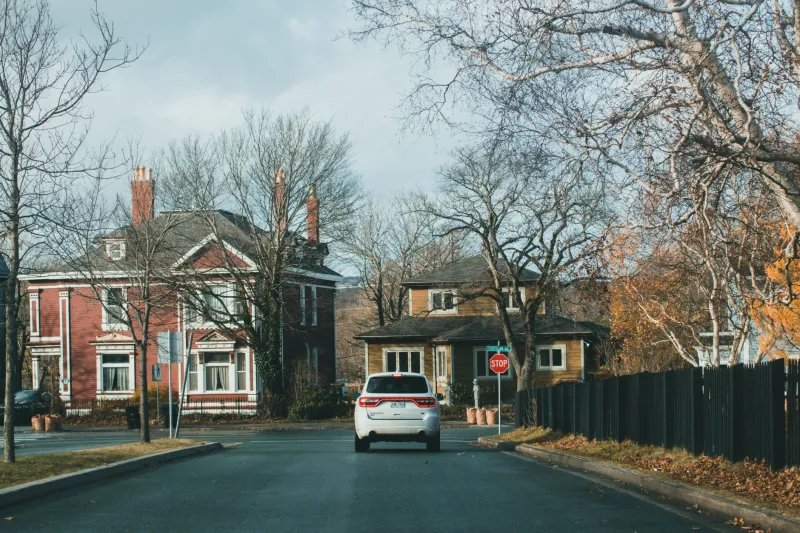
The answer, consistently observed among established lane communities, is that informal social bonds—when they develop organically rather than being imposed administratively—tend to be more durable and more meaningful than those produced by governance structures. Lane neighbors often develop relationships rooted in genuine mutual interest: shared access roads that require cooperative maintenance, adjacent property lines that prompt ongoing communication, and the simple fact that a lane's limited traffic creates an environment where residents actually encounter one another regularly.
Common patterns of informal cooperation on lane properties include shared road maintenance agreements (often formalized as simple written understandings rather than binding legal instruments), cooperative management of shared tree lines or drainage features, and informal networks for monitoring property security during extended absences. These arrangements function not because they are mandated but because their logic is self-evident to the people who live within them.
In many lane communities, annual gatherings—cookouts, harvest celebrations, informal work days—emerge without any organizing body to convene them. The scale of a lane neighborhood, typically small enough that every household is known to every other, makes these gatherings natural rather than performative. The result is a form of community that HOA advocates sometimes promise but rarely deliver: one built on actual relationships rather than shared liability.
Addressing the Covenant Question
Prospective buyers of lane properties occasionally encounter deed covenants—restrictions recorded against a property title that survive the absence of an active HOA. These covenants may address land use, structure types, or subdivision rights, and they warrant careful review during the due diligence process. A qualified real estate attorney can assess the enforceability of existing covenants and identify any that may affect a buyer's intended use of the property.
In many rural lane settings, covenants recorded decades ago have become effectively unenforceable due to changed conditions, expired terms, or the absence of any party with standing to enforce them. This is not a situation buyers should assume, however—each title history is distinct, and professional review is always advisable.
The Lane as an Alternative Model
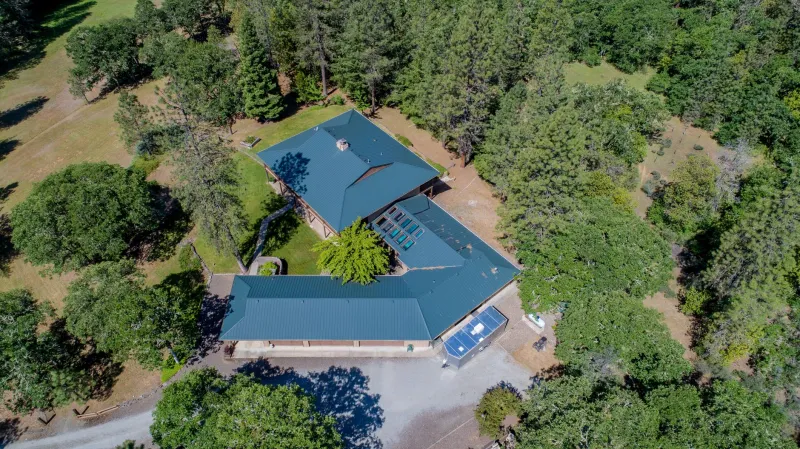
At 18 Hicks Lane, the surrounding community exemplifies what lane living at its best can look like: a collection of households that share a physical address, a commitment to the character of their environment, and a disposition toward neighborly cooperation—without the administrative apparatus that so often substitutes for genuine community in more formally organized developments.
For buyers who have grown weary of HOA politics, assessment uncertainty, and the peculiar experience of having their landscaping choices adjudicated by a volunteer committee, a lane address offers something genuinely different. It offers autonomy paired with accountability—not the accountability of bylaws and fines, but the more fundamental accountability of knowing one's neighbors and caring about the place one has chosen to call home.
That, in the end, is a form of community no association document can manufacture.