Feathers, Wings, and Rising Values: The Ecological Richness of Lane Properties
There is a particular kind of morning that lane residents come to regard as ordinary, though it would strike most city dwellers as extraordinary. A Baltimore oriole calls from the canopy overhead. A ruby-throated hummingbird hovers at the edge of a native garden. A monarch butterfly drifts through a corridor of milkweed. These are not accidental visitors. They are the predictable result of a specific set of environmental conditions that lane properties—by virtue of their siting, their vegetation, and their relative quietude—tend to produce with remarkable consistency.
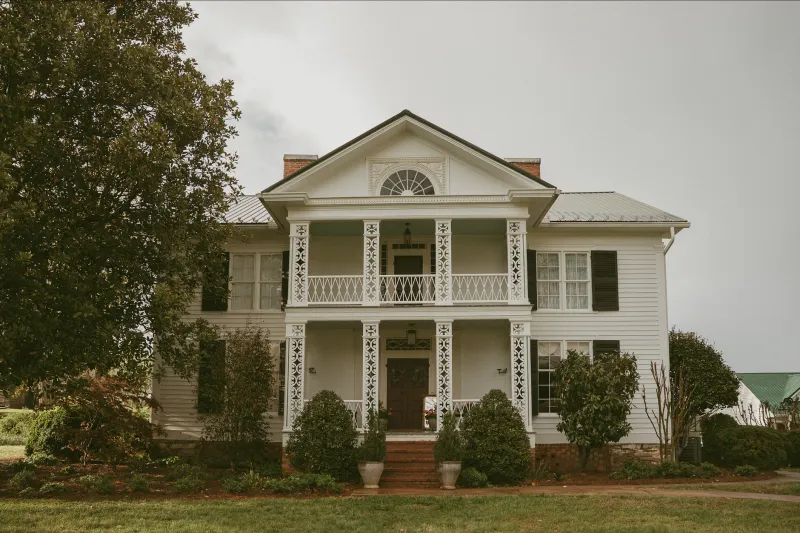
For buyers weighing the decision to pursue an address like 18 Hicks Lane, this ecological dimension deserves serious consideration. The presence of wildlife is not simply a pleasant backdrop. It is a signal of environmental health, a driver of quality-of-life satisfaction, and, increasingly, a recognized factor in property valuation.
Why Lane Corridors Become Wildlife Magnets
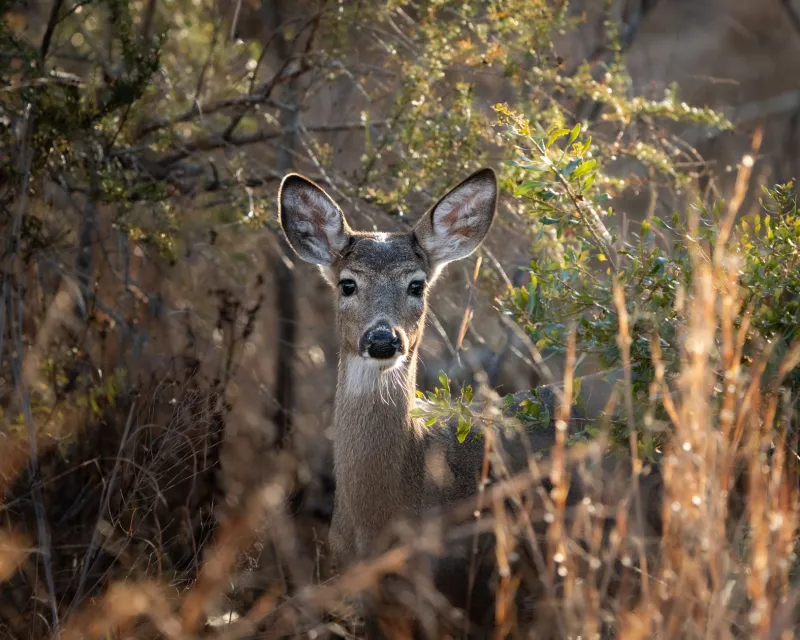
The ecological productivity of lane properties is rooted in a concept ecologists call habitat connectivity. When a lane is lined with mature trees, native shrubs, and undisturbed ground cover, it functions as a corridor—a navigable pathway through which wildlife can move between larger habitat patches. This connectivity is essential for species that require varied resources across seasons, including migratory birds traveling the Atlantic and Mississippi flyways, white-tailed deer expanding their range, and pollinators cycling between flowering plants.
Unlike urban streetscapes dominated by impervious surfaces and ornamental plantings of limited ecological value, lane environments typically retain the structural complexity that wildlife requires: layered vegetation from ground cover through understory to canopy, standing water features, brush piles, and the accumulated organic matter that supports invertebrate communities at the base of the food web.
The result is a self-reinforcing cycle. Native insects attract insectivorous birds. Those birds distribute seeds that regenerate native plants. Regenerated plants support additional pollinators. Each layer of biodiversity strengthens the next, making lane properties progressively richer over time rather than progressively diminished.
Species Profiles: Who Comes to Call
Several species appear with notable regularity near established lane properties across the eastern and midwestern United States, and their presence is worth understanding in some detail.
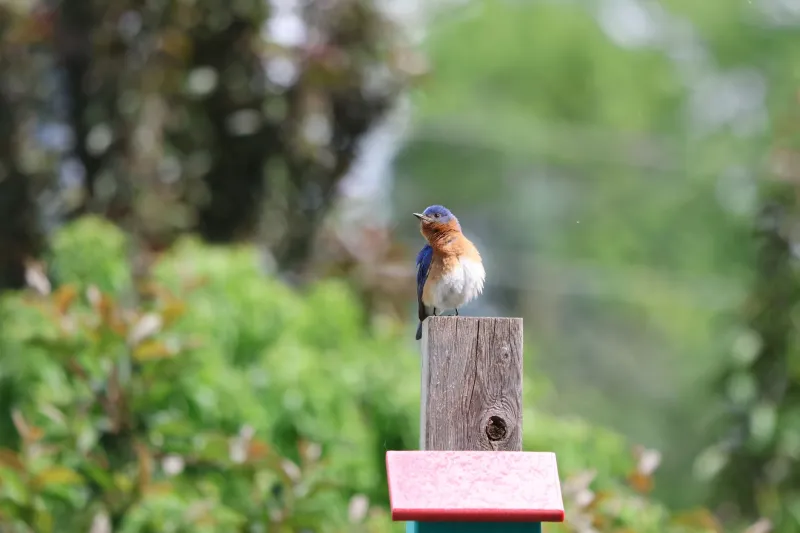
Eastern Bluebird (Sialia sialis): Once in significant decline due to habitat loss, the eastern bluebird has recovered substantially in areas where open woodlands and meadow edges persist—precisely the conditions that many lane properties provide. Bluebirds are cavity nesters that favor wooden fence posts and nest boxes, and their willingness to occupy human-managed spaces makes them a frequent and celebrated resident on rural lane properties.
Monarch Butterfly (Danaus plexippus): Listed as endangered by the International Union for Conservation of Nature, the monarch depends almost exclusively on milkweed species for reproduction. Lane properties with unmowed margins or intentional native plantings frequently support milkweed colonies that serve as critical breeding habitat during the species' northward migration each spring. A property that sustains monarchs is, in a very real sense, participating in a conservation effort of national significance.
American Woodcock (Scolopax minor): This cryptic shorebird—technically a forest dweller despite its name—favors the brushy, moist transition zones that lane margins frequently provide. Its elaborate springtime courtship display, performed at dusk, is considered one of the more remarkable wildlife spectacles available to the attentive landowner in the eastern United States.
Native Bees: While the European honeybee garners most public attention, North America is home to more than 4,000 native bee species, many of which are more effective pollinators for native plants than their imported counterpart. Lane properties with diverse floral resources and undisturbed soil—native bees nest in the ground and in hollow stems—support these communities at densities rarely achieved in manicured suburban settings.
The Appraisal Case for Ecological Value
The question of whether wildlife habitat translates into dollars is one that the real estate industry has begun to address with increasing rigor. Research published through the National Association of Realtors and various university extension programs has consistently found that proximity to natural features—mature trees, water bodies, wildlife corridors—correlates positively with residential property values. A 2022 analysis of comparable sales in several mid-Atlantic markets found that homes adjacent to established natural corridors commanded premiums ranging from 8 to 15 percent over otherwise similar properties without such adjacency.
The mechanism behind this premium is partly aesthetic and partly practical. Buyers in the current market, particularly those who relocated during or after the pandemic years, demonstrate a strong and documented preference for properties that offer visual and sensory separation from urban density. A lane address rich in wildlife signals precisely that separation—it communicates, without a single word from a listing agent, that the property exists within a functioning natural system rather than atop a suppressed one.
There is also a longer-term consideration. As climate-related stressors intensify, ecologically resilient properties—those with mature tree canopies that moderate temperature, permeable soils that manage stormwater, and diverse plantings that resist pest pressure—are likely to hold their value more reliably than properties dependent on energy-intensive systems to compensate for environmental deficits.
Stewarding the Dividend
Owning a lane property with significant ecological value carries a corresponding responsibility, and most lane residents embrace it willingly. Simple practices—maintaining a strip of unmowed native vegetation along the property edge, installing nest boxes calibrated to target species, reducing or eliminating pesticide use, and planting regionally appropriate native species—can meaningfully amplify the ecological productivity of a property over time.
Organizations such as the National Wildlife Federation offer formal habitat certification programs that recognize properties meeting defined ecological standards. While certification is entirely optional, many lane property owners find that the framework it provides is a useful guide for prioritizing stewardship investments.
At 18 Hicks Lane, the surrounding landscape exemplifies what thoughtful siting within a naturalistic corridor can produce. The mature vegetation, the relative absence of traffic noise, and the unhurried pace of life along the lane create conditions that wildlife recognizes and returns to, season after season. For buyers who understand that a home is also a piece of a living system, that recognition carries considerable weight.
The wildlife dividend, in the end, is not a metaphor. It is a measurable, observable, and appreciating asset—one that compounds quietly, in the background, while its owner goes about the business of living well.