Trading Traffic Jams for Tree Lines: Real Families on the Leap to Lane Living
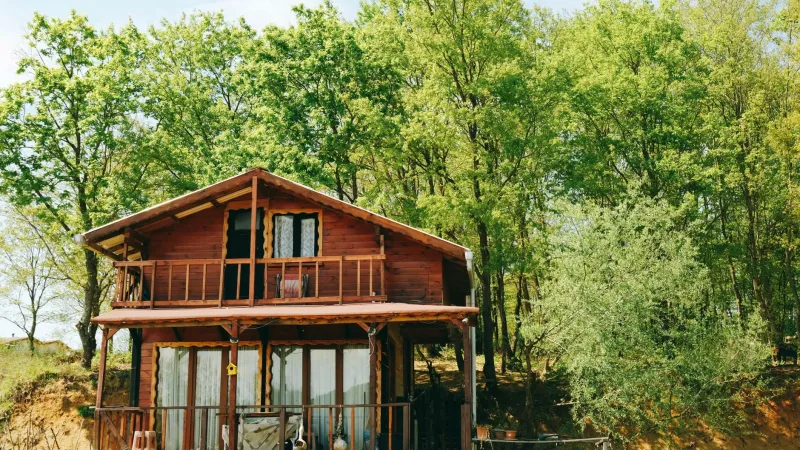
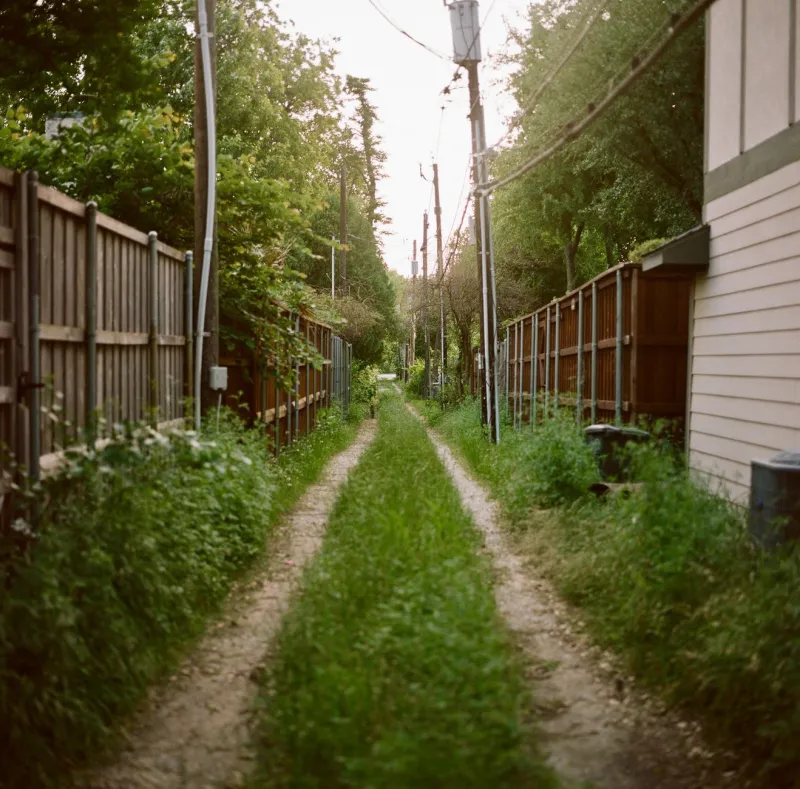
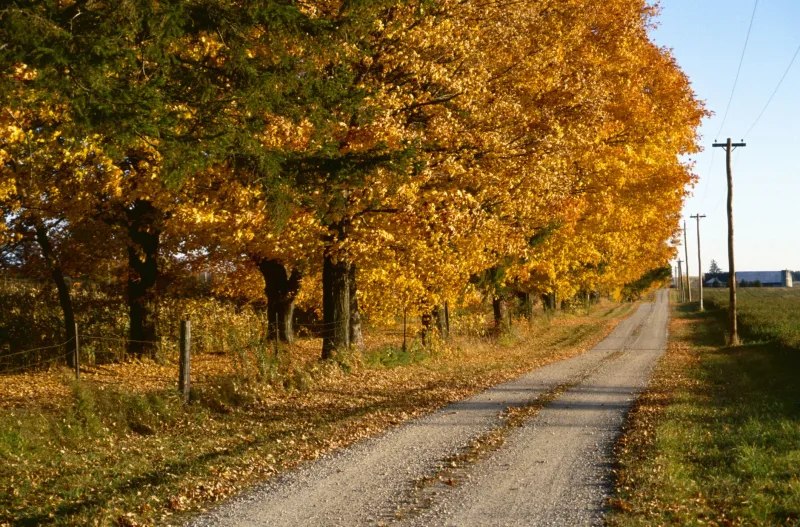
There is a particular kind of exhaustion that accumulates slowly — the kind born not from a single bad day, but from years of gridlocked commutes, crowded grocery store parking lots, and the ambient noise that never quite goes away in a dense neighborhood. For a growing number of American families, the answer to that exhaustion has come in an unexpected form: a gravel or tree-lined lane leading to a quieter, more deliberate way of life.
At 18 Hicks Lane, we believe that where you live shapes how you live. The stories below reflect a national shift that is quietly rewriting the American housing narrative — one rural address at a time.
The Numbers Behind the Movement
The data tells a compelling story. According to the U.S. Census Bureau, net migration from urban cores to rural and exurban areas accelerated meaningfully during the early 2020s, with many of those trends sustaining well beyond the immediate post-pandemic period. A 2023 report from the National Association of Realtors noted that buyers citing "privacy" and "natural surroundings" as primary purchase motivators increased by nearly 40 percent compared to pre-2020 figures.
These are not retirees alone. Young families, remote-working professionals, and even small-business owners are among those making the transition — drawn by the promise of land, quiet, and a pace of life that urban density simply cannot provide.
The Merritt Family: From a Northern Virginia Cul-de-Sac to a Tennessee Lane
Katherine and David Merritt spent twelve years in a northern Virginia suburb, raising two children in a well-regarded school district, attending neighborhood HOA meetings, and enduring a combined daily commute that regularly stretched past three hours. "We had a beautiful home," Katherine recalls. "But we were never actually in it. We were always somewhere between places."
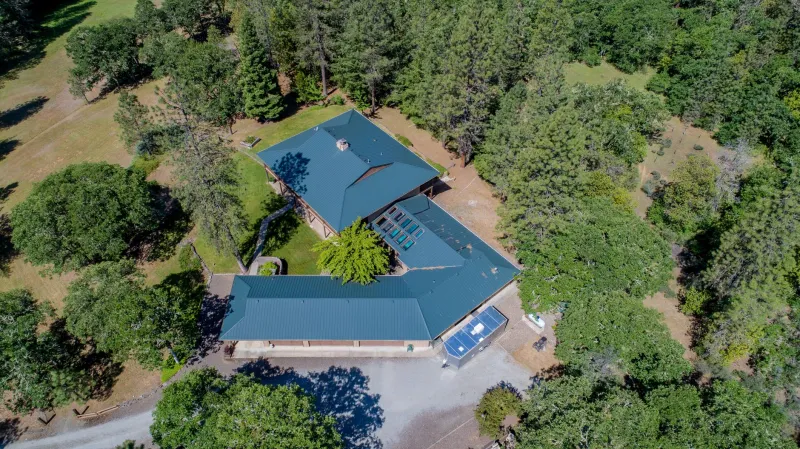
In 2022, David's employer shifted to a fully remote model. Within six months, the Merritts had purchased a four-bedroom farmhouse on a quiet county lane in middle Tennessee. The property — nearly four acres, bordered by mature hardwoods — was priced significantly below what their Virginia home sold for, leaving them mortgage-free with capital to spare.
"The first Saturday morning I sat on the back porch and heard nothing but birds, I actually cried," Katherine says. "I hadn't realized how much noise I had been carrying."
The transition was not without friction. The nearest grocery chain is a twenty-minute drive. Internet infrastructure required an upgrade investment. And the children, initially resistant, required time to build new social connections outside of their familiar suburban network. "The adjustment was real," David acknowledges. "But we'd make the same choice again without hesitation."
The Okafor Family: Redefining Community in Rural Georgia
For Ngozi and James Okafor, the move from Atlanta's busy Buckhead neighborhood to a lane-front property in rural Georgia was motivated equally by finances and philosophy. With Atlanta home prices climbing well beyond $500,000 for modest single-family homes in desirable zip codes, the couple began questioning whether urban proximity was genuinely worth its premium.
"We were spending so much just to be near things we barely used," Ngozi explains. "Restaurants, gyms, entertainment venues — we visited them maybe twice a month. The rest of the time, we were paying for the idea of access."
Their current home, situated at the end of a half-mile private lane, sits on six acres and cost roughly half of what a comparable square footage would have demanded in Atlanta. James, a freelance graphic designer, works from a converted outbuilding. Ngozi, a registered nurse, commutes three days per week to a regional hospital — a drive she describes as "genuinely pleasant" through open countryside.
The unexpected benefit, both agree, has been community. "Rural neighbors actually know each other," James says. "Within a week of moving in, three different households had introduced themselves and brought food. That never happened in Buckhead in six years."
The Kowalski Family: Confronting the Challenges Honestly
Not every lane-living story unfolds without complication, and intellectual honesty demands acknowledging that reality. Paul and Sandra Kowalski relocated from suburban Chicago to a rural property in southwestern Wisconsin in late 2021, motivated by a desire for more land and lower property taxes.
Two years in, they are candid about the trade-offs. Emergency service response times are longer. Their teenage son has struggled with social isolation in a way that the family underestimated. Winter road maintenance on their lane requires both vigilance and expense. And Sandra, who worked in a downtown Chicago office before transitioning to remote work, found the psychological shift from urban density to rural quiet more demanding than anticipated.
"I want to be honest because I think people romanticize this," Sandra says. "It is genuinely wonderful in many ways. But it requires a different kind of resilience. You have to be more self-sufficient, more patient, and more intentional about staying connected to people."
Paul, for his part, frames it differently. "Every lifestyle has costs. We've simply traded one set for another. On balance, this is the right trade for us — but it took adjustment."
What the Research Suggests About Quality of Life
Beyond individual testimony, academic research lends weight to these experiences. Studies published in journals including Environment and Behavior and Landscape and Urban Planning consistently demonstrate that residential proximity to natural settings — tree cover, open land, and reduced ambient noise — correlates with measurable reductions in cortisol levels, improved sleep quality, and higher self-reported life satisfaction.
The American Psychological Association has also documented the cognitive benefits of what researchers term "restorative environments" — spaces that allow the mind to recover from the directed-attention fatigue that urban and suburban density tends to generate.
These findings do not suggest that rural or lane-front living is universally superior. They do suggest, however, that the lifestyle benefits are substantive and supported by evidence rather than sentiment alone.
What Prospective Movers Should Consider
For families contemplating a similar transition, the experiences above point to several practical considerations worth examining before committing:
- Infrastructure assessment: Broadband availability, road maintenance responsibilities, and utility access vary significantly by county and should be verified thoroughly prior to purchase.
- Commute recalibration: Even partial remote arrangements can make rural living viable; full in-office requirements demand honest mileage and time analysis.
- Community research: Rural communities are far from monolithic. Visiting on multiple occasions, at different times of year, and speaking with existing residents provides invaluable context.
- Financial modeling: Lower purchase prices do not always translate to lower total cost of ownership. Maintenance, fuel, and service access costs deserve careful projection.
The families featured here made their choices with open eyes — and most would tell you that the view from a quiet lane, on a clear morning, makes the complexity worthwhile.