The Flagship Effect: How One Well-Kept Property Shapes an Entire Lane's Future
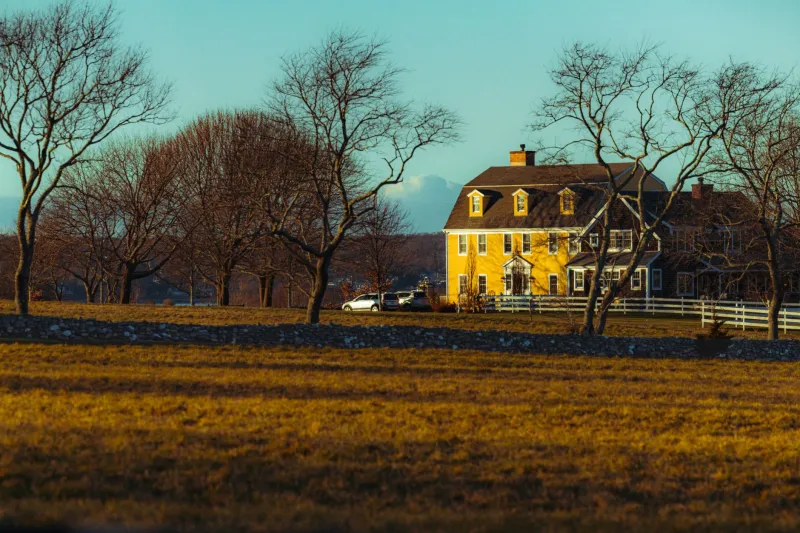
There is a particular kind of home that anchors a neighborhood without ever announcing itself. It does not carry a historic marker or appear in architectural journals. It simply exists—impeccably maintained, thoughtfully improved over decades, and quietly communicating a standard that every neighboring property absorbs. On lanes like Hicks Lane, where homes sit at generous intervals and the landscape itself becomes part of the address, the influence of a single flagship property can be profound and lasting.
Real estate professionals have long understood that value is not created in isolation. But the mechanisms by which one well-invested home shapes the character, buyer behavior, and development patterns of an entire lane deserve a closer and more deliberate examination.
What a Flagship Property Actually Communicates
When a prospective buyer turns onto a quiet residential lane for the first time, they are absorbing information at a rate far exceeding conscious thought. The condition of the first driveway they pass, the state of the fencing along a property line, the presence of mature plantings rather than neglected scrub—all of it registers before a single square foot of interior space has been evaluated.
A flagship property—one that has been owned with evident care, updated with architectural sensitivity, and maintained to a standard that reflects genuine investment—functions as a visual and psychological anchor. It tells buyers that this lane is the kind of place where people take pride in what they own. It signals permanence, stability, and community standards that exist independent of any formal covenant or homeowner association.
In communities without governing bylaws, this unspoken communication becomes especially significant. The flagship property is not enforcing anything. It is simply modeling a level of care that neighbors and future buyers interpret as the prevailing norm.
The Ripple Effect on Neighboring Properties
The influence of a well-maintained property does not stop at its own boundary. Research in behavioral economics has long documented a phenomenon sometimes called the "broken windows" effect in reverse: just as visible neglect can accelerate decline in a neighborhood, visible investment and upkeep can inspire adjacent owners to raise their own standards.
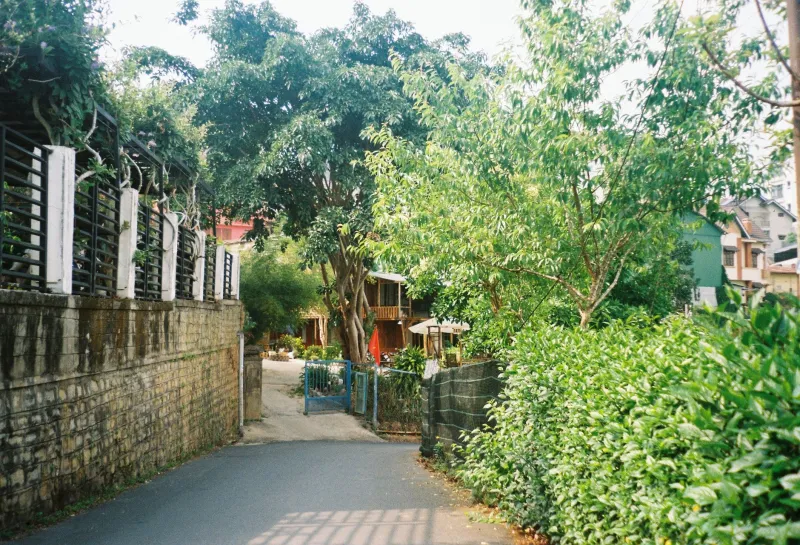
On a lane setting, where properties are often visible to one another across open land or through tree lines, this effect is amplified. A homeowner who watches a neighboring property receive a thoughtfully designed barn addition, a restored stone wall, or a carefully managed woodlot is implicitly encouraged to consider what similar attention might do for their own acreage. The social contract is informal but real.
Over time, this cumulative dynamic reshapes the lane's identity. Buyers who arrive years later encounter not one exceptional property but a corridor of homes that have, collectively, maintained a standard. They cannot always trace that standard back to its origin, but the origin matters—and it almost always begins with a single property that set the tone.
Historic Properties as Community Cornerstones
When the flagship property in question carries genuine historical significance—whether through its age, its architectural lineage, or its association with the land's longer story—its influence on neighborhood character deepens considerably.
Historic properties on American lanes often represent the original homesteads or early farmsteads around which a community gradually grew. Their presence communicates continuity. They remind buyers and longtime residents alike that the land has been valued across generations, not merely across market cycles. This is a form of credibility that no amount of new construction can replicate.
Proximity to a historic property also carries tangible implications for future development. Municipalities and county planning boards frequently give weight to the presence of historically significant structures when evaluating proposed development in adjacent parcels. A well-documented historic home can influence zoning considerations, easement negotiations, and the appetite of developers who might otherwise view a quiet lane as an opportunity for density.
For buyers seeking long-term stability in a lane address, the presence of an established historic property nearby is not merely aesthetic. It is a form of structural protection against the kinds of development pressure that have transformed other quiet corridors into something unrecognizable within a single decade.
Why Buyers Underestimate Proximity's Value
Most buyers, when evaluating a lane property, focus their due diligence on the parcel itself: the acreage, the structure, the mechanicals, the setbacks. Proximity to neighboring properties—and particularly to a flagship or historic home nearby—rarely appears as a line item in any inspection report or comparative market analysis.
This is a significant oversight. The character of a lane is not the sum of its individual properties in isolation; it is the product of their relationships to one another. A home that sits adjacent to an exceptionally well-maintained estate benefits from that adjacency in ways that compound over time. Buyers who purchase with an awareness of these dynamics are positioning themselves within a community narrative that tends to appreciate—not just financially, but in terms of lifestyle quality and social cohesion.
Conversely, buyers who overlook the condition and history of neighboring properties may find that the lane's character drifts in directions they did not anticipate. A lane anchored by a neglected or poorly maintained flagship property has a different trajectory than one anchored by a home that has been tended with evident commitment.
The Unspoken Social Contract of Lane Living
Lane communities operate according to agreements that are rarely written and almost never enforced through formal mechanisms. Yet they are no less real for their informality. The homeowner who maintains impeccable grounds, who restores rather than replaces, who plants trees with the understanding that their full beauty lies decades away—that homeowner is making a contribution to the lane's collective identity that extends well beyond their own property line.
This is the essence of what might be called the flagship effect. It is not coercive, and it is not contingent on proximity in any literal sense. It is, rather, a form of civic leadership expressed through stewardship. On a lane like Hicks Lane, where the address itself carries a particular character and aspiration, the presence of properties that embody that standard is what makes the address worth seeking out in the first place.
For prospective buyers evaluating lane properties, the practical takeaway is straightforward: look beyond the parcel you are purchasing. Examine the lane as a whole. Identify the flagship properties—the homes that have clearly been invested in over time—and consider what their presence means for the community's future. In many cases, that proximity will prove to be among the most durable sources of value in the entire transaction.
The quiet lane has always been more than the sum of its addresses. It is a living record of the standards its residents have chosen to uphold—and those standards, once established by a single exceptional property, have a way of persisting long after any individual owner has moved on.