What Your Street Name Is Worth: The Hidden Psychology Behind Address Prestige and Buyer Behavior
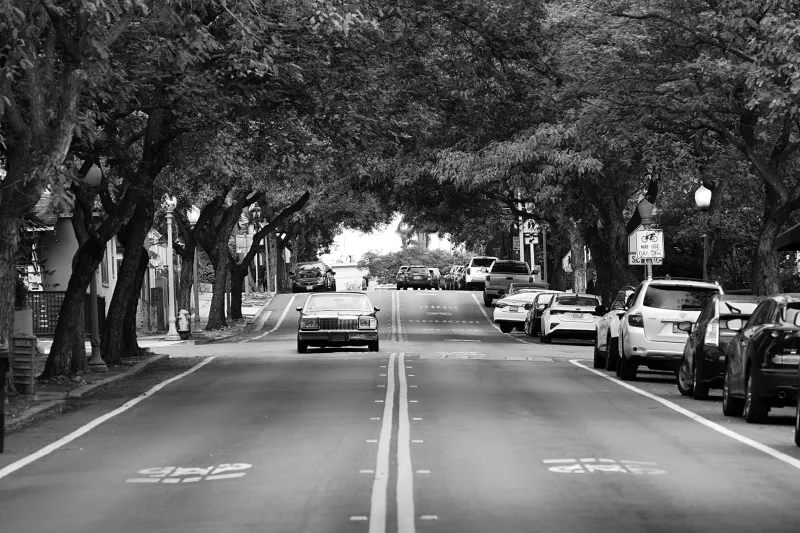
Before a prospective buyer ever steps through the front door, before the listing photographs load on their screen, and even before the price per square foot enters the conversation, something quieter has already begun shaping their opinion. They have read the address.
For properties situated along named lanes—places like Hicks Lane, with its suggestion of deep-rooted community and unhurried character—that first encounter with an address carries more weight than most sellers appreciate. The psychology of place-naming is a well-documented phenomenon in consumer behavior research, and its influence on residential real estate is both measurable and, for the informed seller, highly actionable.
The Cognitive Shortcut Built Into Every Address
Human beings are pattern-recognition machines. When a buyer reads a numbered street address—say, 1847 County Road 14—their brain processes the information functionally. It registers location, nothing more. But when that same buyer reads an address on a lane bearing a proper name, something different occurs. The mind reaches instinctively for association, for story, for meaning.
Names like Hicks Lane carry an implicit biography. They suggest that someone—a family, a founder, a long-standing community figure—left enough of a mark on a place that the land itself was named in their honor. That inference, however unconscious, translates directly into perceived value. The buyer begins, without realizing it, to assign the property a narrative identity that generic addresses simply cannot provide.
This phenomenon is sometimes called the "nomenclature premium" in academic literature on real estate linguistics. Studies examining home sale data in suburban and rural markets across the United States have found that properties on named streets—particularly those with historical or familial associations—consistently attract stronger initial offers and shorter days-on-market figures than comparable homes on numbered or directionally designated roads.
Heritage Naming and the Stability Signal
There is a specific subset of street names that performs particularly well in buyer psychology research: those derived from family surnames. Hicks Lane is a prime example of this category. Surnames embedded in street names communicate something that no marketing copy can replicate—they suggest generational continuity.
When a buyer processes an address tied to a family name, they are subconsciously absorbing a message about permanence. This neighborhood has roots. People chose to stay here. The land mattered enough to someone that it bears their name across decades or even centuries. For buyers who are themselves seeking stability—young families planting roots, professionals leaving urban volatility behind, retirees searching for a final and meaningful home—that signal is extraordinarily compelling.
This is not merely theoretical. Real estate agents operating in markets with historically named streets frequently report that buyers express an almost immediate emotional comfort during showings, often attributing it vaguely to "the neighborhood feeling established." What they are responding to, in large part, is the subconscious reassurance embedded in the address itself.
Negotiation Leverage You May Not Know You Have
Understanding address psychology has direct implications for negotiation strategy—on both sides of the transaction.
For sellers on character-rich lanes, the address itself functions as a form of soft branding. A property at 18 Hicks Lane arrives at the negotiating table with an intangible asset already priced into buyer perception. Savvy listing agents leverage this by emphasizing the address's historical context in marketing materials, reinforcing the narrative that buyers are already constructing in their minds. When a buyer feels they are purchasing not just a house but a place with identity and heritage, their price resistance tends to soften.
For buyers, awareness of this dynamic serves as a useful counterbalance. Recognizing that part of what you are responding to is a psychological response to nomenclature—rather than purely structural or locational value—allows you to approach negotiations with greater objectivity. That is not to say the premium is unwarranted; in many cases, the community character that a name reflects is entirely real and worth paying for. But understanding the mechanism helps buyers distinguish between genuine value and emotional influence.
The Lane Distinction: Why "Lane" Itself Carries Weight
Beyond the specific name, the road designation itself matters. In American real estate culture, the word "lane" has accumulated its own set of associations over generations of use. Lanes suggest intimacy. They imply limited traffic, a degree of seclusion, and a community small enough to know itself. They evoke the pastoral without necessarily being rural, the private without being isolated.
Compare the emotional register of "Oak Boulevard" against "Oak Lane." The boulevard suggests commerce, volume, movement. The lane suggests arrival, quietude, belonging. This distinction is not lost on buyers, and market data in numerous suburban and exurban regions of the United States reflects it. Lane-designated properties, particularly those bearing distinctive names, consistently outperform their boulevard and drive counterparts in buyer satisfaction surveys.
Putting It All Together for the Informed Buyer or Seller
Whether you are approaching the market as a buyer evaluating options or a seller preparing to list, the takeaway is consistent: addresses are not neutral. They communicate, they persuade, and they influence financial outcomes.
For those considering a property at an address like 18 Hicks Lane, the name is not incidental to the value proposition—it is part of it. The heritage embedded in that address, the sense of place it conjures, and the psychological comfort it extends to prospective buyers all contribute to a market position that generic addresses cannot replicate.
In a competitive real estate environment, understanding what your street name is worth may prove to be one of the most underappreciated advantages available to the well-prepared buyer or seller.