When an Address Becomes an Identity: How Lane Communities Cultivate Reputation, Loyalty, and Lasting Value
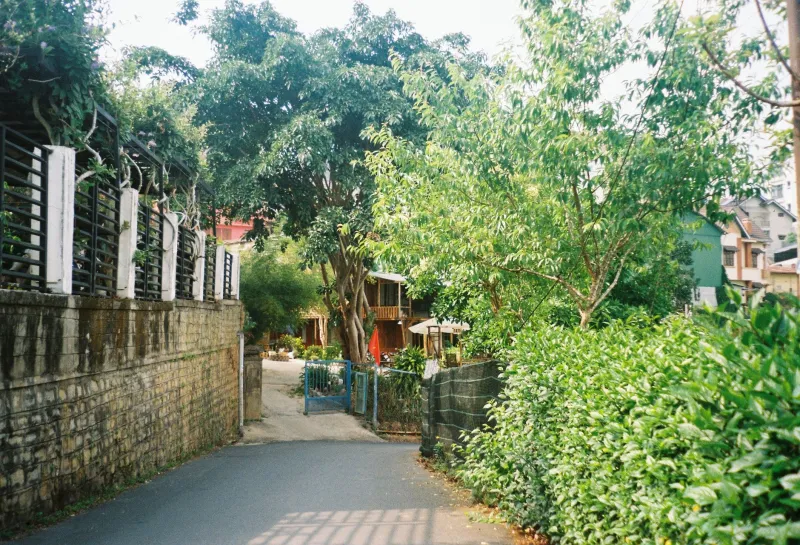
There is a particular kind of pride that comes from saying where you live—not just the town or the zip code, but the specific road. Residents of lane addresses across the United States understand this instinctively. They do not merely occupy a property; they belong to a place with a name, a character, and a story that has accumulated over years of shared experience.
This phenomenon—the transformation of a street address into a living community identity—is neither accidental nor purely sentimental. It has measurable consequences for property values, buyer demand, and long-term neighborhood stability. Understanding how it works, and why it matters, is essential for anyone navigating today's residential real estate landscape.
The Anatomy of a Lane's Reputation
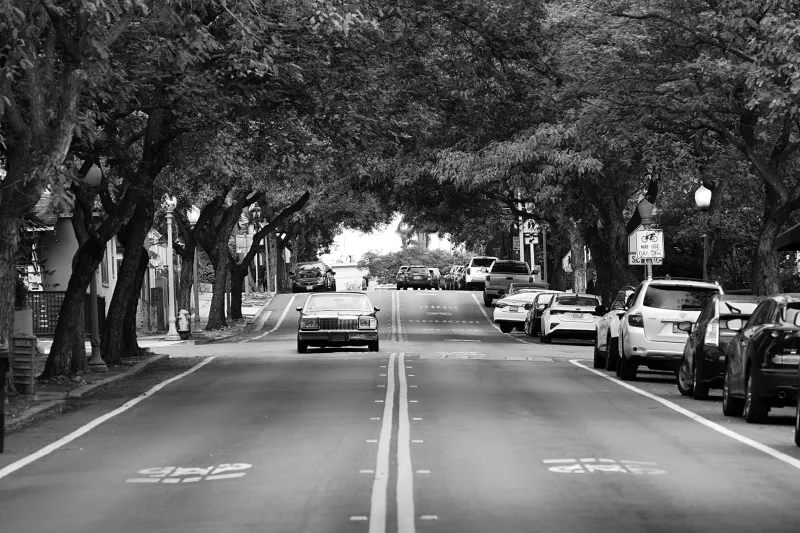
Every lane that earns a distinctive identity does so through a combination of physical character and human history. The physical elements are obvious: mature tree canopy, setback properties, a scale of development that resists the uniformity of mass-produced subdivisions. But the human dimension is what elevates a lane from a pleasant road to a recognized address.
Consider how reputations form. A family hosts an annual gathering that neighbors begin to anticipate. A local artisan opens a small studio that draws visitors from surrounding towns. A longtime resident plants a landmark garden that becomes a reference point for giving directions. Over time, these details accumulate into a shared narrative—one that prospective buyers encounter long before they schedule a showing.
Real estate professionals who work in markets with established lane communities consistently report that buyers arrive with prior knowledge. They have heard about the road from colleagues, discovered it through social media, or encountered it in local news coverage. That ambient awareness shortens sales cycles and supports asking prices that comparable properties on anonymous streets simply cannot match.
Micro-Community Identity and the Buyer Who Seeks Belonging
The contemporary residential buyer is not a monolith. While some prioritize square footage, commute times, or school district rankings, a growing segment of purchasers places belonging at the top of their criteria list. These buyers are not searching for a house in isolation—they are searching for a context in which to build a life.
Lane communities speak directly to this motivation. When a road has a name that locals recognize, a history that residents can recount, and a social fabric that newcomers can join, it offers something that no floor plan or feature sheet can replicate: a ready-made sense of place.
This dynamic has become more pronounced since the widespread adoption of remote and hybrid work arrangements. Buyers who once accepted geographic compromise in exchange for proximity to an office now have the latitude to choose addresses based on quality of life. Lanes that offer natural beauty, neighborly culture, and a distinctive identity have moved from niche preferences to genuine priorities for a substantial portion of the market.
How Local Businesses and Social Networks Amplify a Lane's Identity
The most resilient lane communities are rarely self-contained. They exist in productive relationship with the broader local economy and social ecosystem. A farmers' market that sources produce from properties along a particular road, a farm stand that becomes a regional destination, a studio or workshop that attracts visitors—each of these enterprises reinforces the lane's identity while creating economic activity that benefits all residents.
Social networks play an equally significant role. Neighborhood apps, community Facebook groups, and informal email lists centered on a specific lane create ongoing communication channels that sustain relationships between residents and extend the community's visibility to outsiders. When a property on a well-known lane comes to market, word travels through these networks with a speed and reach that no marketing budget can fully replicate.
The result is a self-reinforcing cycle. A lane develops a reputation, which attracts residents who value that reputation, who in turn contribute to the activities and relationships that deepen it. Each transaction reinforces the cycle rather than interrupting it.
The Retention Premium: Why Lane Residents Stay Longer
One of the most compelling indicators of a lane community's strength is not how quickly properties sell, but how infrequently they come to market in the first place. Neighborhoods with strong identity tend to exhibit lower turnover rates than comparable areas without that cohesion. Residents who feel genuinely embedded in a community—who know their neighbors by name, who participate in shared traditions, who take pride in their address—are significantly less likely to relocate for reasons unrelated to major life changes.
Lower turnover has direct financial implications. Scarcity supports value. When buyers know that properties on a particular lane rarely become available, they approach the market with heightened urgency and reduced resistance to competitive pricing. The occasional listing on a sought-after lane generates disproportionate interest precisely because opportunity is uncommon.
This dynamic also insulates lane properties from the volatility that can affect more transient markets. When broader conditions soften, addresses with established identities and loyal resident bases tend to hold value more reliably than those without these anchors.
What Sellers and Buyers Should Understand
For sellers, the practical implication is straightforward: the identity of your lane is an asset, and it should be communicated as deliberately as any structural feature of the home itself. Marketing materials that describe the community's character, its history, its social fabric, and its reputation among local residents are not supplementary—they are central to the value proposition.
For buyers, the lesson is one of due diligence. Before evaluating a property purely on its physical merits, invest time in understanding the lane's identity. Speak with current residents. Attend a local event if one is accessible. Research how the road is perceived in the broader community. An address that carries genuine recognition and positive association is a long-term asset that will serve you well beyond the closing table.
The 18 Hicks Lane Perspective
At 18 Hicks Lane, we understand that an address is never simply a location. It is a declaration of values, an entry point into a community, and a long-term investment in a particular quality of life. The lanes that have earned lasting recognition—among neighbors, local businesses, and prospective buyers—have done so because the people who live on them have treated their address as something worth cultivating.
That cultivation does not happen by accident. It requires residents who are present, engaged, and invested in the shared character of their road. When those conditions exist, the address itself becomes one of the most durable assets a property can offer.
In a market where differentiation is increasingly difficult to achieve through square footage or amenity lists alone, the identity of a lane may be the most honest and enduring competitive advantage available to any property that can claim it.