What Your Lane Address Means for Your Legacy: Estate Planning Advantages Few Homeowners Consider
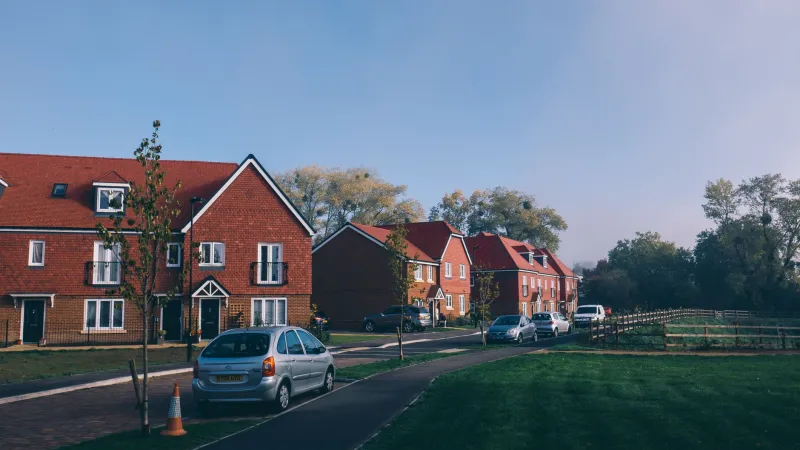
Most homeowners approach estate planning as a purely financial exercise—a matter of wills, trusts, tax thresholds, and beneficiary designations. Yet the nature of the asset itself can either simplify or profoundly complicate that process. Lane properties, with their defined boundaries, established reputations, and enduring lifestyle appeal, occupy a distinct position in this conversation. For families thinking carefully about generational wealth, the address at the top of the deed may matter more than many realize.
The Valuation Problem That Subdivisions Create
One of the most persistent sources of friction in estate administration is disagreement over what a property is actually worth. In dense suburban subdivisions, comparable sales are plentiful—but so is ambiguity. When dozens of homes share the same floor plan, minor variations in finish, orientation, or lot position can generate genuine disagreement among heirs, appraisers, and tax authorities alike.
Lane properties sidestep much of this difficulty. Because no two lane addresses are truly alike, their distinctiveness—while sometimes perceived as a complication—actually works in an estate's favor. A property with natural acreage, mature tree lines, a private drive, and an established community identity carries characteristics that are both apparent and defensible. Professional appraisers working with such properties can point to specific, tangible attributes that justify their valuations, leaving less room for dispute among beneficiaries.
The Internal Revenue Service requires that inherited real estate be appraised at fair market value as of the date of death. Properties with clear, demonstrable character—the kind that lane addresses consistently provide—tend to produce appraisals that hold up under scrutiny. That stability is not a small thing when an estate is being reviewed by multiple parties with competing interests.
Natural Boundaries and the Art of Clean Division
Family conflict over inherited property frequently stems not from the property's value, but from its indivisibility. A condominium cannot be meaningfully split. A narrow suburban lot offers little flexibility. But a lane property—particularly one with meaningful acreage—may present genuine options.
Large parcels can, in certain circumstances, be subdivided among heirs while preserving the essential character of each resulting lot. A property fronting a quiet lane may allow one heir to retain the primary residence while another receives a buildable parcel. This kind of structured division requires careful legal and municipal guidance, but the underlying possibility exists in ways that urban or dense suburban properties simply cannot accommodate.
Even when outright subdivision is not desired or practical, the presence of ancillary structures—a guest cottage, a barn, a detached workshop—can provide a framework for equitable distribution without forcing an immediate sale. Heirs who might otherwise find themselves deadlocked over a single-family home in a subdivision may discover that a lane property offers enough physical variety to support a thoughtful, negotiated outcome.
Why Lifestyle Appeal Accelerates Liquidation When Necessary
Not every estate scenario allows heirs to retain property. Sometimes liquidation is the most practical or legally required course. In those instances, the marketability of the asset becomes critical—and lane properties carry a meaningful advantage here as well.
The demographic shift toward rural and semi-rural living, accelerated by the normalization of remote work and the growing desire for privacy and space, has expanded the buyer pool for lane addresses considerably. Properties that might once have appealed to a narrow slice of the market now attract professionals, young families, retirees, and investors across a broad geographic range. A well-maintained lane property with natural features and community character can generate genuine competitive interest, often selling at a pace and price that executors and attorneys find reassuring.
Contrast this with a property in a subdivision where dozens of comparable homes may be listed simultaneously. In such markets, liquidation timelines can extend considerably, estate carrying costs accumulate, and the final sale price may fall below initial expectations. The relative scarcity and appeal of a lane address can compress that timeline meaningfully.
The Emotional Dimension of Inherited Lane Properties
Estate planning professionals will readily acknowledge that the most contentious inheritance disputes are rarely purely financial. They are emotional. A family home carries memory, identity, and meaning that no balance sheet can fully capture. This is as true for lane properties as for any other, but the nature of lane living often produces a particular kind of attachment—one rooted in place, landscape, and community continuity.
That attachment, while sometimes a complicating factor, more often serves as a unifying one. Heirs who share fond memories of a lane property—its acreage, its seasonal rhythms, its neighbors—may be more motivated to reach consensus than those inheriting an asset with no particular emotional resonance. The desire to preserve something meaningful can, paradoxically, make the hard conversations easier.
For families inclined to retain a property across generations, this emotional coherence is a genuine asset. Lane communities, which tend toward stability and shared investment in their collective character, often welcome multigenerational ownership. The sense of belonging that a lane address confers does not expire with the original owner.
Structuring Ownership to Match the Asset
For those who own or are considering purchasing a lane property and wish to think proactively about estate outcomes, several planning instruments merit consideration. A revocable living trust can allow a property to transfer to heirs outside of probate, preserving privacy and reducing administrative delay. A qualified personal residence trust, or QPRT, enables an owner to transfer a primary residence to heirs at a reduced gift tax value while retaining the right to occupy it for a defined period.
For lane properties with agricultural or conservation dimensions, additional tools—including conservation easements and agricultural use designations—may reduce the taxable value of the estate while simultaneously protecting the land's character in perpetuity. These instruments are not universally applicable, but lane properties, by their very nature, are more likely to qualify than typical suburban homes.
The guidance of an estate planning attorney familiar with real property is essential in all of these scenarios. What a lane address provides is the raw material: a property with genuine character, demonstrable value, and the kind of tangible, defensible attributes that make sophisticated planning both possible and worthwhile.
An Address That Works as Hard as You Do
At 18 Hicks Lane, the conviction that an address is more than a location has always been central to our perspective. The lane you choose shapes your daily life—but it also shapes the legacy you leave. Properties with distinct character, natural boundaries, and community continuity are not merely pleasant places to live. They are assets that hold their shape across time, across market cycles, and across generations.
For families thinking seriously about what they will one day pass on, that distinction deserves careful consideration. The right address may not only be the best place to call home. It may also prove to be the most thoughtful financial decision a family ever makes.